
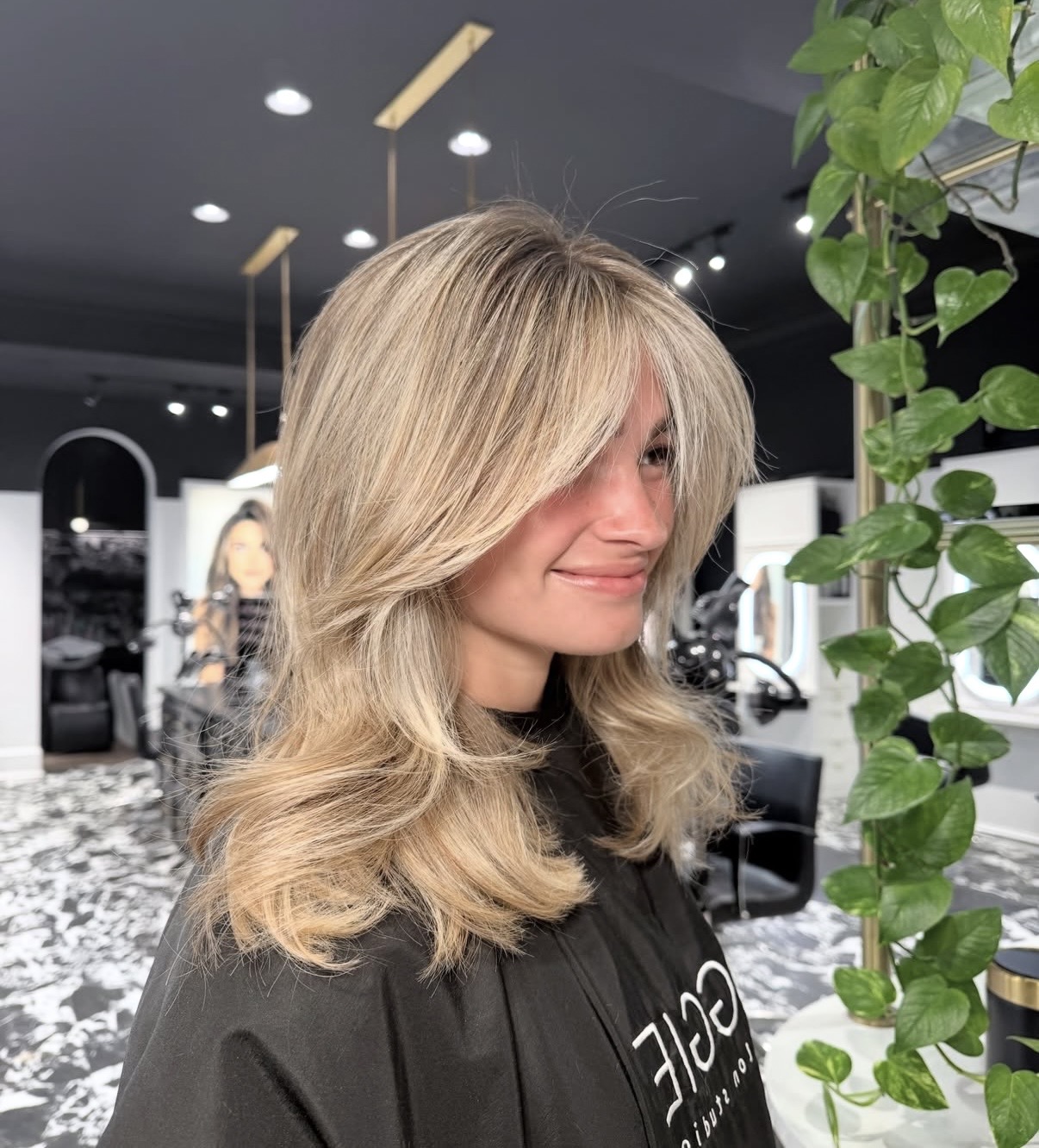
Summer Hair Care Tips: How to Protect Your Hair Through a Baton Rouge Summer
In Baton Rouge, summer means pool days, weekend trips to the Gulf, and the kind of humidity that undoes your morning blowout by lunch. If you’ve noticed your hair looking frizzier, your color fading faster, or your ends drier by mid-July, you’re not imagining it. These are the summer hair care tips we give every EGGIE client walking through our doors in Goodwood and Perkins Road.
Long days in the sun, high humidity, chlorine, salt water, and constant heat styling all add up. By the middle of summer, most people notice more frizz, faded color, dryness or split ends and wonder why their usual routine has stopped working. A few small changes make a real difference.
Summer hair care at a glance
For a Baton Rouge summer, the three biggest threats to your hair are humidity, sun exposure, and heat styling. Protect against all three by using humidity-resistant styling products, wearing a hat outdoors, applying UV protectant, rinsing your hair after swimming, and always using a heat protectant before hot tools. A professional smoothing treatment or gloss appointment can extend the results between salon visits.
Why Baton Rouge summers are hard on your hair
Baton Rouge summers aren’t just hot, they’re wet. Humidity regularly climbs above 75% from June through September, which puts a whole different level of stress on your hair than someone dealing with a drier climate. Add in weekend trips to the Gulf, LSU game day heat, wedding season running May through October, and outdoor festival season, and your hair takes a beating.
These are the three problems we see at EGGIE more than any others in the summer, and the routines we recommend to fix them.
1. Why does humidity cause frizz?
Humidity is the number one cause of summer frizz because hair naturally absorbs moisture from the air. When that moisture enters the strand, the outer cuticle layer swells, which creates frizz, flyaways, and hair that fights every attempt to style it.
Curly, wavy, and color-treated hair are especially prone to frizz because the cuticle is more porous, so moisture moves in and out more easily.
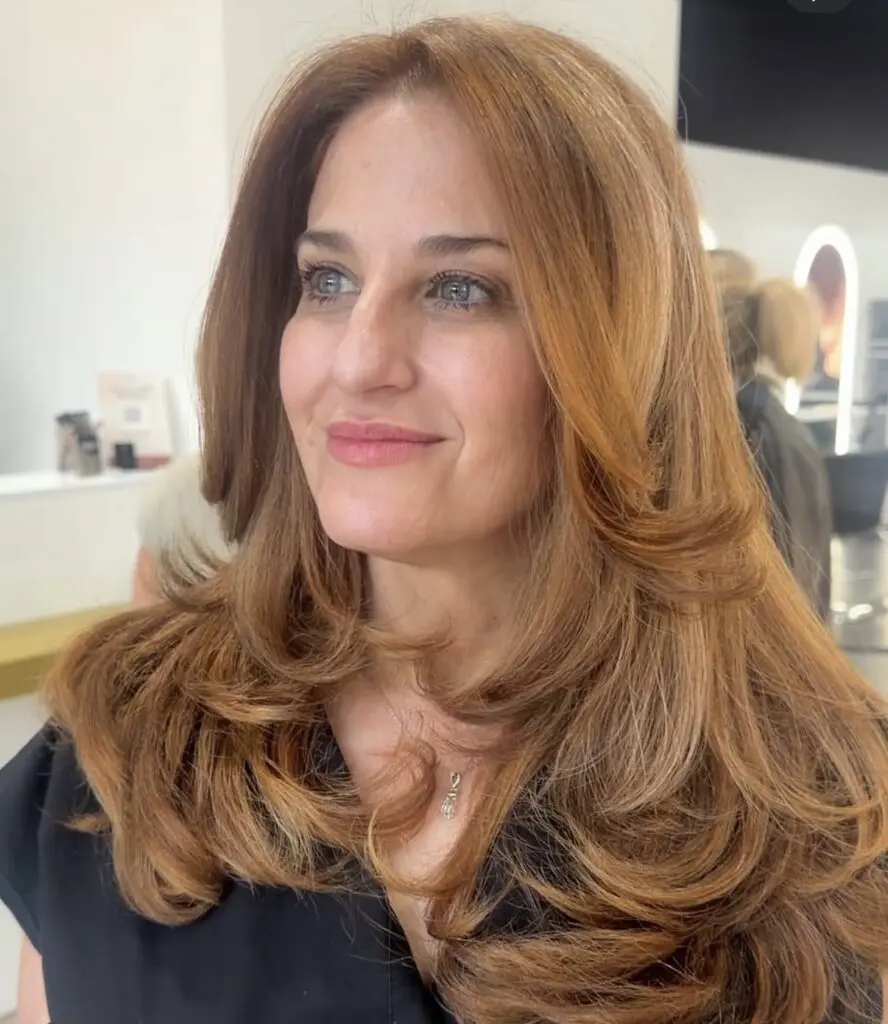
How to reduce frizz during a Baton Rouge summer
Here’s the summer routine we build with our clients, step by step:
- Daily wash and condition: Kérastase Bain Hydra-Glaze Anti-Frizz Shampoo paired with Kérastase Insta Glaze Anti-Frizz Conditioner keeps hair hydrated and manageable in humidity.
- Weekly detox: Eufora Urgent Repair Shampoo is a clarifying shampoo that strips product buildup. Use it as your first wash of the week for a full reset, then go back to your daily shampoo.
- Pre-styling prep: Kevin Murphy UN.TANGLED hydrates and detangles before you pick up the blow dryer.
- Humidity shield: Gloss Coat smooths the hair and fights frizz through even the worst Baton Rouge afternoons.
- Finishing oil: A few drops of Kevin Murphy YOUNG.AGAIN seal the cuticle and add shine.
- Hold that lasts: Kevin Murphy Session.Spray keeps your style locked in without stiffness.
A few habits also help:
- Sleep on a silk or satin pillowcase to cut down on overnight friction.
- Keep your hands out of your hair during the day to avoid re-frizzing your style.
If humidity keeps winning even with the right products, a professional smoothing treatment may be worth booking. Dani, our smoothing specialist, is certified in Keratin Complex, Brazilian Blowout, and Japanese thermal straightening.
2. Why does hair color fade faster in the summer?
You invested in beautiful color, then a few weeks later it looks dull or washed out. Summer is the reason. Most people assume chlorine is the biggest culprit, but UV rays from the sun are actually one of the leading causes of color fade during summer months.
Sun exposure gradually breaks down the pigment in color-treated hair. Swimming in chlorine or salt water, washing more often, and using harsh shampoos all speed up the process. Lighter blondes and vibrant reds fade the fastest, but every color benefits from extra protection.
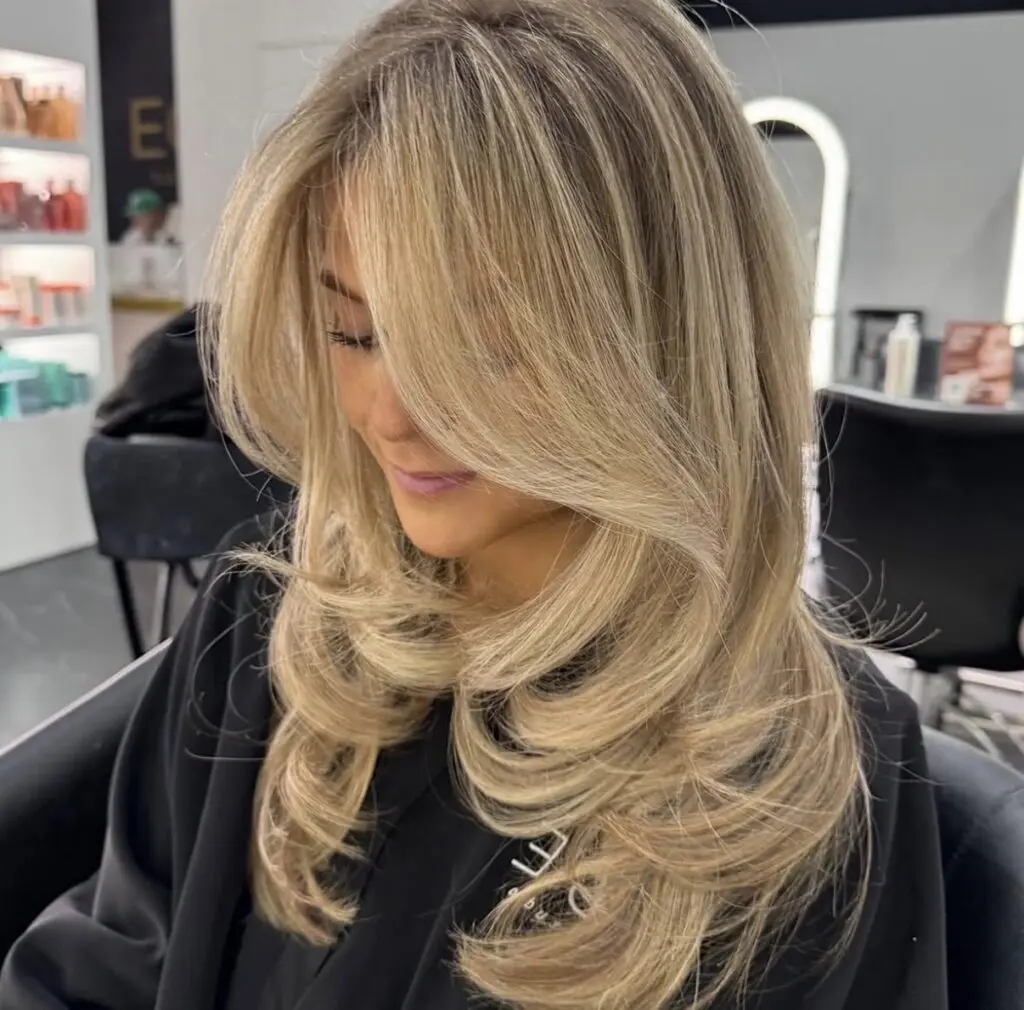
How to help your color last longer
- Wear a hat during extended time in direct sunlight.
- Switch to a professional color-safe shampoo and conditioner. EGGIE recommends Kérastase Chroma Absolu Shampoo and Kérastase Chroma Absolu Conditioner to protect pigment and add shine.
- Wash your hair with lukewarm water instead of hot.
- Rinse your hair with clean water before and after swimming.
- Book gloss or toner appointments with your EGGIE stylist to refresh tone between color services.
- Add a deep conditioning treatment once a week.
Healthy, hydrated hair holds color longer and reflects more shine. If your color has already faded from a summer at the pool, a gloss appointment can restore vibrancy without a full color service.
3. How can heat styling and sun exposure lead to breakage?
Your hair deals with enough stress from hot tools year-round. In summer, that stress compounds. High temperatures, UV exposure, and dehydration weaken the hair shaft. Add frequent heat styling and the damage stacks up fast.
Common signs of summer damage include:
- Split ends
- Dryness
- More tangles
- Rough texture
- Extra strands breaking during brushing or styling
The goal isn’t to abandon your hot tools. It’s to use them more strategically and protect your hair every time.
How to prevent breakage this summer
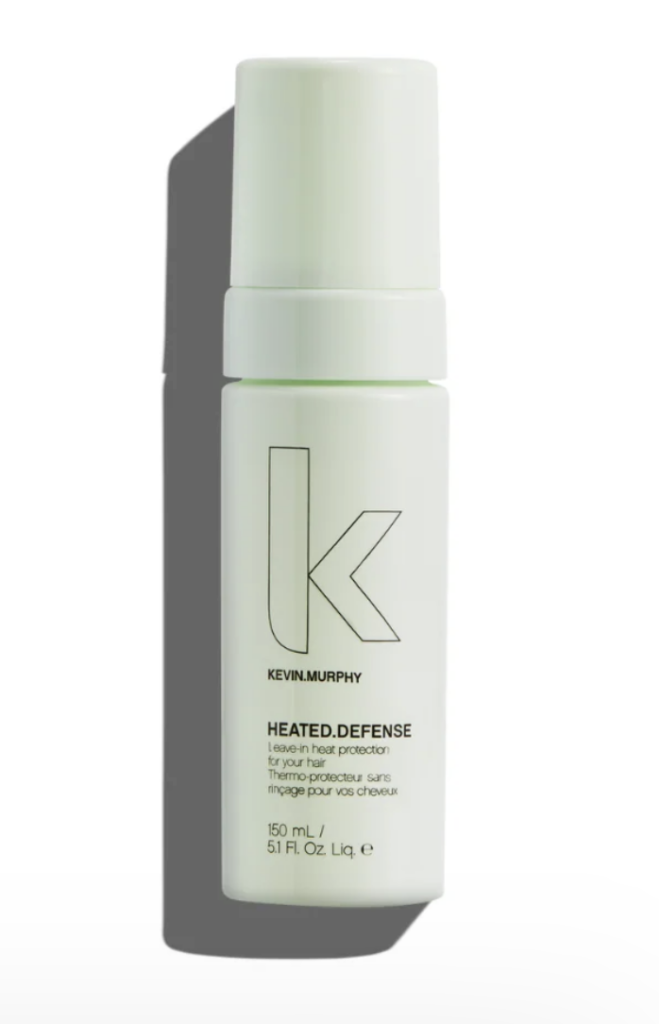
- Always apply a heat protectant before any hot tool. Kevin Murphy Heated.Defense is our go-to and doubles as an anti-frizz.
- Lower the temperature on your styling tools whenever possible.
- Let your hair air dry partially before blow-drying.
- Rotate in heat-free styles a few days a week.
- Book a trim every six to eight weeks to remove split ends.
- Add a weekly repair mask to your routine. Kevin Murphy Young.Again Masque restores softness and pairs with the Young.Again oil in your daily routine.
- Skip aggressive brushing on soaking wet hair. Use a wide-tooth comb or a wet-hair brush instead.
Small changes stack up over the course of a summer.
Build a summer routine that works for your hair
No two heads of hair are the same, which is why the best summer routine depends on your hair type, your lifestyle, and how much time you spend outside. Whether you’re weekending at the pool, heading to the Gulf, or just trying to survive the humidity between meetings, a few small adjustments protect your hair from unnecessary damage.
If you’re not sure which products are right for you, that’s what our stylist consultations are for. We’ll get to know your hair, recommend a routine built for Baton Rouge summers, and help you leave feeling like yourself.
Ready to protect your hair this summer?
Stop by our Goodwood location at 8221 Goodwood Blvd Suite D, or our Perkins Road studio at 3535 Perkins Rd #350, to shop our summer product picks. Or book a consultation online with one of our stylists. We’ll build a routine that keeps your hair smooth, hydrated, and vibrant all season long.
Frequently asked questions about summer hair care
Can the sun damage your hair? Yes. Extended sun exposure dries out the hair, weakens the protective cuticle, and contributes to breakage, dryness, and fading.
Is it bad to straighten my hair every day in the summer? Daily heat styling increases dryness and damage, especially when combined with sun exposure. A heat protectant and a lower tool temperature help reduce damage.
Does the sun damage colored hair? Yes. UV rays gradually break down the pigments in hair color, causing fade over time. Hair that is already dry or damaged fades even faster.
Can chlorine ruin my hair color? Chlorine contributes to dryness and speeds up color fade. Blonde hair can also develop a green tint after repeated pool exposure because of metals in the water.
Why does blonde hair sometimes turn green? The green tint usually comes from metals like copper in pool water. These metals attach to the hair shaft, especially on light-colored hair. A swimmer’s shampoo or a professional clarifying treatment removes the buildup.
How often should I wash my hair during the summer? There’s no one-size-fits-all answer. If you’re exercising, swimming, or sweating more often, you may need to shampoo more frequently than you do in cooler months. Choose products that cleanse without stripping your hair’s natural moisture.
Is chlorine bad for your hair? Chlorine strips natural oils from your hair, leaving it dry and brittle. It also contributes to color fade and makes hair harder to manage.
How can I protect my hair before swimming? Wet your hair with clean water and apply a leave-in conditioner or protective treatment before getting in. Because your hair has already absorbed fresh water, it will absorb less chlorinated water while swimming.
Is salt water bad for your hair? Salt water draws moisture away from the hair shaft, which leaves it feeling dry. Following up with a moisturizing shampoo and conditioner restores hydration after a beach day.
Should I wear a hat to protect my hair? Yes. A wide-brim hat or baseball cap during long stretches outdoors reduces UV exposure and protects both your hair and scalp.
Can you get a sunburn on your scalp? Yes. Your scalp burns just like the rest of your skin, especially along your part line or in areas where your hair is thinner. Hats and scalp-safe SPF products add protection.
Why does my hair get so frizzy in the summer? Humidity lets moisture from the air enter the hair shaft. As the hair absorbs that moisture, the cuticle expands, which creates frizz and makes styles harder to hold.
Why is my hair frizzier after coloring? Color services make the hair slightly more porous, so humidity enters the hair more easily. That increases frizz if the hair isn’t properly moisturized and protected.
What is the best way to repair dry summer hair? Hydration is the answer. Deep conditioning treatments, moisturizing products, regular trims, and professional salon treatments all help restore softness and improve overall hair health.